back to all blog posts
International Overdose Awareness Day: 25 Years On. Still Needed.
Friday, August 28, 2026Observed annually on August 31, this year’s theme,“25 Years On. Still Needed.”, acknowledges an uncomfortable truth: after 25 years of recognizing International Overdose Awareness Day, communities are still losing loved ones to preventable overdose. While increased access to naloxone, treatment, recovery services, and other resources are helping save lives, too many people continue to experience the loss of someone they care about.
Grieving Overdose
Behind every overdose statistic is a person whose life mattered. Every overdose death leaves behind people who grieve. Family members. Friends. Coworkers. Neighbors. Peers in recovery. Entire communities who continue to feel their absence.
Grief following an overdose can carry additional burdens because of the stigma surrounding substance use. A study involving family members, partners and adult peers who had lost someone to overdose found that people experienced blame, alienation from friends and family, limited social support and other stigmatizing interactions after their loss. These experiences can compound grief and make it more difficult to seek support. Research on grief following a drug-related death reinforces the importance of creating space for people to mourn openly and without judgment.
When someone dies from an overdose, the effects can ripple through the places and relationships that connected them to others. At CCC, that may include neighbors who passed them in the hallway, friends who shared meals with them, peers they met through treatment or recovery, and staff who supported them over time. Each person may experience the loss differently, but no one should have to carry it alone.
Prevention Matters
Remembrance is central to International Overdose Awareness Day, but the day also calls us to prevent future loss.
Preliminary data from the Oregon Health Authority show that approximately 1,100 people died from overdose in Oregon in 2025. Although that represents a continued decline from the previous two years, the number may increase slightly as additional data is processed. The progress matters, but so does the scale of continued loss. Oregon’s latest overdose data show why sustained prevention, treatment and recovery efforts remain necessary.
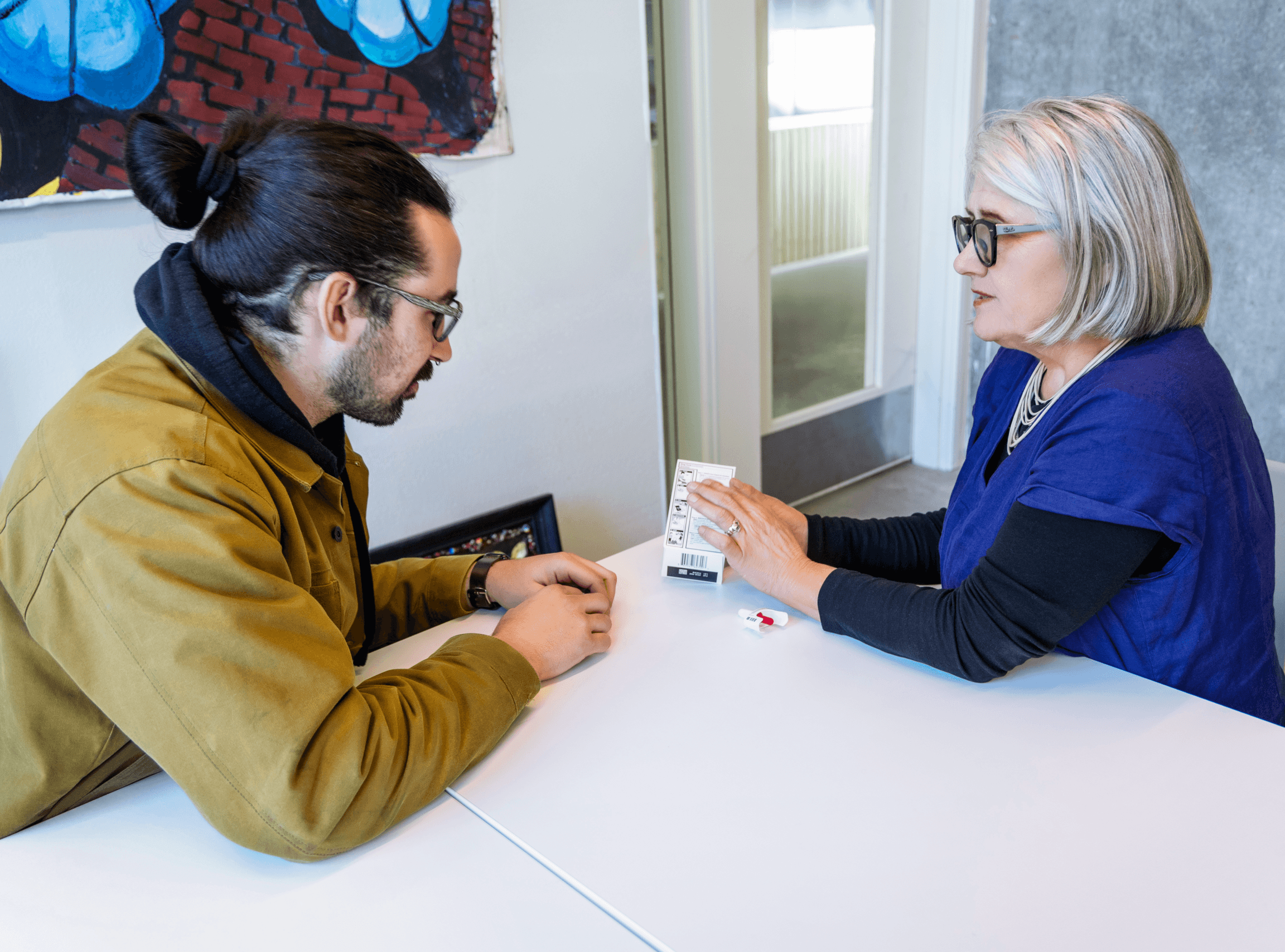
Wider access to naloxone and greater awareness of how to recognize and respond to an overdose can help more people be prepared to support a friend, family member, neighbor, or stranger in a critical moment. Small actions may not make headlines, but they can make a life-saving difference.
Community Resources for Grief
As we reflect on those we’ve lost and the progress that has been made, we also recognize the importance of supporting those who are grieving and ensuring people have access to the resources, information, and care they need.
Outside In's Overdose Awareness Day Memorial - August 31, 2026

Outside In is hosting a memorial to honor the lives of those we have lost, grieve together, and stand together to prevent overdose loss in the future.
Date: August 31, 2026
Time: 6pm
Location: Outside In, 1132 SW 13th Ave., Portland, OR 97205
The names of people who have been lost to overdose will be read aloud during the event. Individuals who would like to add a name to be remembered can do so through the memorial submission form.
The Dougy Center
The Dougy Center offers grief resources for children, teens, adults, and families. Resources can be searched by age group, relationship, and type of loss. The organization also offers a free Spanish-language grief support group called Esperanza.
The Grief House
The Grief House offers virtual and in-person grief gatherings and support groups in the Portland area for people navigating many different types of loss.
By learning about overdose prevention, carrying naloxone, knowing how to respond in an emergency, and helping connect people to CCC’s treatment and recovery services, each of us can play a role in saving lives. Learn more about: